
A Lesson in Detachment: A Digital Nomad’s Practical Guide to Letting Go
When Loss Teaches You How to Really Live
Let me tell you something—loss has kicked my butt, torn my heart apart, and somehow continues to teach me the most important lessons of my life, being that you can… turn your challenge into opportunity.
Recently, I lost my mum (my best friend and the bravest woman; having brought me into this world with grace), my dad (who I always said was my angel on earth, now is my spirit angel), close friends, family, and even my dog (who I spent more years with then my siblings growing up) so his loss was really very deep also. Each loss stripped me down to the bare bones of what actually matters. I am sure you have experienced loss and get my drift. It’s a journey, that is for sure.
If you’re reading this while traveling, grieving, or just feeling crushed under the weight of too much everything, I get it. I’ve been there. I’m still there some days. And I want to share what’s helped me through all the tears, the sadness, and those 3am moments when grief hits hardest.
It’s an ancient yoga practice called Aparigraha—fancy word for detachment and “letting go.”
And no, this isn’t about becoming some emotionless robot. It’s about learning to hold life lightly enough that you can actually live it without grasping too hard.

Why Ancient Yoga Stuff Actually Helps (I Promise This Isn’t Woo-Woo)
Over the past few decades, I’ve studied all sorts of healing practices—Yoga Teacher Training, Shiatsu and Eastern Philosophy, Reiki, Neuro-Linguistic Programming, even Hypnosis. I did all this before leaving Australia (again!) to move to France, where I’m writing this now. And I think all of these studies have helped me prepare a bit for now. Because you find yourself searching for answers when you lose someone you love, and very much a personal journey.
I use bits from all of these modalities every single day. But today, I’m keeping it simple and focusing on one tool that’s saved my sanity more times than I can count: Aparigraha.
It’s the fifth yama (ethical guideline) in Patanjali’s Eight Limbs of Yoga. Sounds fancy, but the translation is very simple: “non-grasping” or “non-greed.”
In everyday speak? Let go of what you don’t need—or what you think you need. Stop holding on so damn tight.
The goal here is to give you something you can actually use after reading this. Not just theory. Real, practical stuff that works when you’re living out of a backpack, building a business from coffee shops, or just trying to get through another day.
Why Digital Nomads Need This More Than Anyone
Here’s the thing about nomadic life: it forces you to let go whether you like it or not. As a full time traveller everything is new and the constant change has you up against yourself often. What I mean by this is that you often don’t have the luxury of being familiar with your surroundings and there might be a bit of learning to do in the everyday stuff. This means that your awareness is heightened all the time if not most of the time.
When you are a full time traveller, you let go of, all your stuff (because you can’t fit a couch in a 40L backpack). Everything familiar (hello, new country every few months) and if you think about it your comfort zones are non existent (comfort is overrated anyway). The people and places are all new, smells, feelings, tastes and just when you get attached, it’s time to move again. And like I said before predictability, yep! nup! there is none (plot twist: that’s the whole point!)
I’ve been traveling for 25 years and living as a full-time digital nomad for the past 10. And you know when I’m happiest? When I’m flying somewhere new or riding my motorcycle across continents with just two panniers and a swag (bed roll). That’s when life feels right.
Because for me, happiness isn’t in the stuff. It’s in the simplicity. And if we’re being really honest, it’s just about love.
Here’s a snapshot of what I’ve learned the hard way:
- Physical stuff weighs you down (literally and metaphorically)
- Fixed expectations kill joy (life never looks like you planned)
- Clinging to places and people makes goodbyes brutal but connection is necessary
- Rigid business plans don’t survive first contact with reality
- Grief and loss can paralyse you anywhere in the world
- Rituals and beliefs are what keeps you grounded e.g meditation, daily gratitude etc.
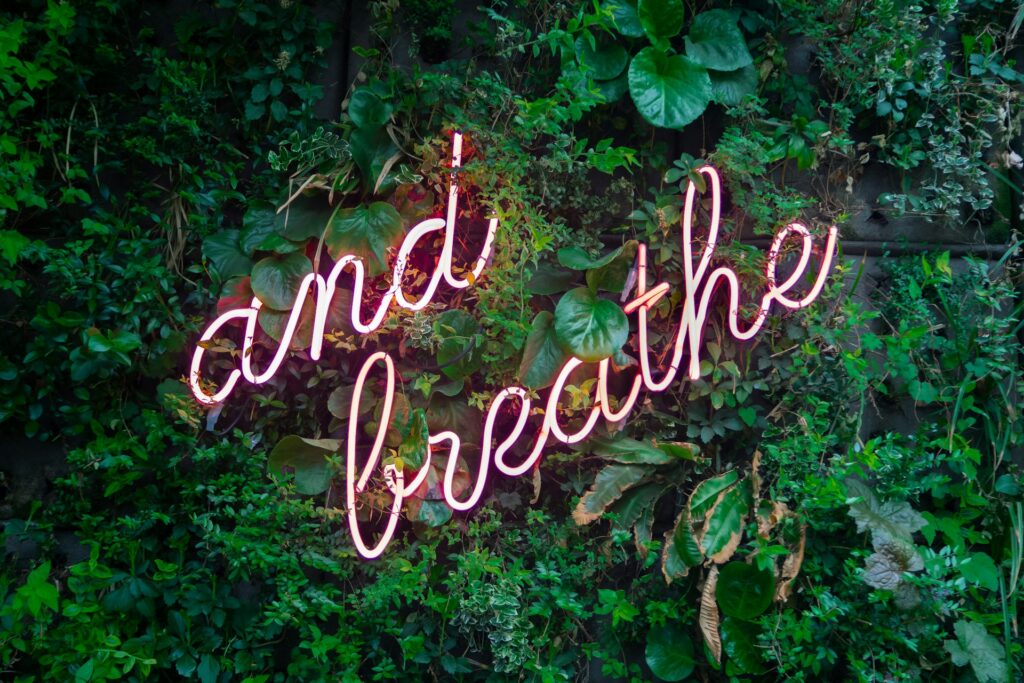
- Breathe it is your basic survival skill use it
But here’s the beautiful flip side: When you practice non-attachment, you become lighter. You adapt faster. You suffer less. You experience more.
(Your experience might be different—and that’s totally okay!)
Part 1: Letting Go Spiritually (Without Getting Weird About It)
What’s the Difference Between Non-Attachment and Just Not Caring?
Great question! Non-attachment doesn’t mean you stop caring. It means you care deeply while accepting that nothing lasts forever.
You can love people, enjoy experiences, chase big goals—just don’t strangle them with your need to control or keep them.
Here’s my favorite analogy: Hold a butterfly with a closed fist, and you’ll crush it. Hold it with an open palm, and it may stay or fly away—but either way, it’s free. And so are you.
Practical Spiritual Steps (Pick What Works for You!)
Look, I’m not here to tell you there’s only one way to do this. These are suggestions. If you’ve got your own thing going, awesome! The main point is to create some space for your spiritual practice—whatever that looks like for you.
1. Morning Gratitude (5 minutes—seriously, just 5)
- Open your eyes and say “thank you” before you even check your phone (give yourself an hour of non tech time)
- Set your Intention. I use the I AM Intention + Action+ Momentum
- Gratitude Prayer: “Thank you for the gifts that I receive today, …. breathing, for today, for whatever you’ve got right now
- Try belly breathing: breathe in for 4, hold for 4, breathe out for 6. This anchors you before the chaos starts
2. Get Cool with Impermanence
- Repeat this when things feel shaky: “Everything changes. I am safe in flow with the cosmic universe.” (or create on that you relate with along your belief systems, something you resonate with).
- When you catch yourself death-gripping something (a plan, a person, an outcome) or here yourself say “I couldn’t live without…” notice it. Then consciously release your hold. Remember: Change isn’t the problem. Fighting change is.
3. Sun Salutations for Surrender (10 minutes)
- Do 5-10 rounds of Surya Namaskar (Sun Salutations—YouTube it if you’re new)
- With each forward fold, imagine releasing what you’re holding onto
- With each upward dog, picture yourself opening to whatever’s next

4. Fasting from Attachment
Fasting is free and simple to do. And simple healing for the body and gives it time to rest. I have done upto a 12 day professionally guided fast and do fasting weekly. It keeps insulin overload and helps your body start to produce natural chemicals of healing.
- Try a 24-48 hour fast once a week (only if it’s healthy for you!)
- This teaches your body: “I can let go and be okay”
- Notice how you survive—even thrive—with less
- (Plus it’s great for travel when food options are sketchy)
Part 2: Letting Go Psychologically (The Mind Stuff)
Why We Cling Like Our Lives Depend on It
We grip tight because we’re scared: Scared of losing what we have. Scared of not getting what we want. Scared of change, uncertainty, death. That’s OK. But here’s the honest truth: Clinging doesn’t prevent loss. It just prevents presence.
Instead of obsessing over what you might lose, you can free up that energy. Let it flow. Let it move.
Practical Psychological Steps
1. Figure Out What You’re Gripping
Grab your journal and write without thinking too much, just let it rip! be playful and have fun.
- What am I white-knuckling right now? (A person? An outcome? A possession? An identity? A belief?)
- What am I scared will happen if I let go?
- What might become possible if I released my grip?

2. Call Out Your Scarcity Thinking
Digital nomads love to panic about: “What if there’s not another place this good? Another client? Another decent WiFi connection? Another community to connect with?”
Reality check:
The world is HUGE and full of places, people, communities, and opportunities. You’ve survived literally every challenge up to this point. Letting go creates space for something new (and often better)
3. Let Yourself Grieve Without Making It Forever
Here is what I discovered for myself, when you lose someone you love:
- Feel ALL of it. Ohh boy grief can come in waves so ride it and let it. Don’t skip grief because it’s uncomfortable or “unspiritual” know that people in loss can do some strange things, but try to accept that everyone is doing the best they can with the information they have now.
- Journal without a filter. Write angry letters. Sad letters. Love letters you’ll never send. Truste me it really helps, I do it daily and then throw the books out when I fill up the pages. I dont keep them, I set them free.
- Talk to nature or animals. I’m serious—they’re the best listeners and they don’t judge and they are very intuitive and will help you heal
- Stop rushing yourself. Some days you’re fine. Some days you’re a mess. There’s no deadline for healing.
The goal isn’t to stop missing them. It’s to stop letting grief prevent you from living. Can be easier said than done! But you will live through it and it will make you stronger.
4. Practice the “Observer Mind”
When your thoughts spiral out of control I like to use these small:
- Notice: “I’m having the thought that I can’t do this”
- Don’t fight it. Don’t believe it.
- Watch it float by like a cloud
- Come back to your breath
This creates space between you and your thoughts—that’s the whole point of non-attachment.

Part 3: Letting Go in Business (Because Entrepreneurs Need This Too)
Why Business Owners Need to Master Aparigraha
If you let it Business can make you clingy. You cling to your original idea (even when it’s clearly failing). You cling to specific outcomes (even when better ones show up). You cling to ego and identity (even when they’re holding you back). You can find yourself cling to clients, team members, revenue streams (even when they’re draining your soul)
The entrepreneurs who win? They let go fast.
Practical Business Steps
1. The 80/20 Purge (Do This Every Quarter)
- What 20% of your activities create 80% of your results? Keep those.
- What 80% creates complexity, stress, and barely any return? Release it.
- Be ruthless. “We’ve always done it this way” is how businesses die.
2. Hold Plans Loosely
- Make plans, sure—but don’t worship them
- Be flexible. Be mindful of others.
- When things change (and they will), pivot quickly
- Test. Test more. Keep testing.
- The market doesn’t care about your attachment to your “original vision”—your customers will tell you everything you need. Just ask.
3. Stop Obsessing Over Outcomes
Instead of: “This launch MUST make $50K or I’m a failure”
Try: “I’ll do excellent work to attract $50K and accept whatever results show up. Then I’ll learn, adapt, and make it better.”
Be kind to yourself and others. Failure isn’t the enemy—it’s how we learn and build resilience.
This approach reduces anxiety, boosts creativity, and ironically, gets better results.
4. Keep Your Money
As a Startup, entrepreneur, founders or remote workers keep overheads minimal (bootstrap when you can) Save aggressively but mindfully. Use tools to track it. Don’t inflate your lifestyle every time income goes up. Money comes and goes, it is fluide and it is just energy. Your peace doesn’t have to suffer.
5. Let Dead Projects Die
That course you started two years ago? The product nobody wants? The partnership that’s clearly not working? Notice what’s not working and let it go. Focus on what is working.
Let. It. Go.
Aparigraha means releasing what’s no longer alive—even if you poured time, money, and heart into it.

Part 4: Minimalism in Real Life (The Practical Stuff)
The Backpack Test
Ask yourself:
- Could you fit your life in a 40L backpack?
- If not, why not?
- What are you carrying that’s actually weighing you down?
Start Here:
Let go with Physical Minimalism, one thing I found hard at first was letting go of all the stuff. Because what is valuable to you others don’t care about and you can’t give it away. But after you do let it go it is really empowering. With that, I have some personal rules for physical minimalism that I use to help me so I don’t collect and drag around too much stuff. Remember there are shops everywhere and online.
- One month, no new purchases (except actual necessities)
- One item out for one item in (buy new shoes? Donate old ones)
- The 90-day box: Pack up items you’re unsure about. If you don’t use them in 90 days, donate them
- Digital declutter: Unsubscribe from emails. Delete apps you don’t use. Clear old files. Mental space is real space.
Relational Non-Attachment (The Hardest Part)
This is where it gets tough. But it’s also the most important.
Letting go doesn’t mean loving less. For me it means releasing expectations about how people “should” be—let them be themselves. You can start accepting that people come and go in nomad life (and that’s okay) and understanding that even people closest to you might not get your lifestyle choice—the instability scares them (and hey, that’s okay too). Loving fully without demanding permanence because everything changes. Here is what I am always struggling with is “Loving yourself first“, then others (you’ll attract like-minded people this way). And finally, being present for connection without needing to possess it. It takes effort and a conscious effort.
Personal Practice:
When you say goodbye, say it fully. Don’t half-leave. Let them know how much their presence meant.
Stay connected on social media or LinkedIn if that feels natural (keep adding value to each other).
You will appreciate each interaction as complete in itself. And hey, today it’s the easiest time in history to “Stay in touch” if it flows naturally. Let go if it doesn’t. Both are okay.
When You Lose Someone You Love:
Listen, you don’t practice non-attachment from love. You practice it from the suffering that comes with loss.
Grief is love with nowhere to go. So feel it. All of it.
Non-attachment means: “I loved you fully. You’re gone. Both things are true. And I choose to keep living.”
Create rituals they are the most powerful things we do:
- Write them letters
- Light candles for them
- Talk to them in meditation (just 7-10 mins to start with) then go longer if you can and walk in nature to do a walking meditation.
Then let each day be new. Your loved ones wouldn’t want you frozen in grief they want you to live & love hard!
Part 5: Daily Practices for Digital Nomads (Your New Routine)
Morning (15 minutes)
- Gratitude the second you wake up
- Belly breathing or meditation
- Sun Salutations
- Set an intention: “Today, I hold everything lightly”
Throughout the Day
- Notice when you’re gripping (jaw clenched? Shoulders tight? Anxious thoughts?) I use the Seven Spiritual Laws of Yoga by Deepak Chopra and David Simons M.D Use one Law for each day of the week or choose something that resonates with you.
- Take a moment to sit in the sun and connect with the earth. Pause. Breathe. Release.
- Ask yourself: “What am I holding that I could let go?”
Evening (10 minutes)
- Journal: What did I cling to today? What did I release?
- Review your wins (without needing to repeat them exactly)
- Review your challenges (without needing to avoid them)
- Go to sleep knowing tomorrow is a fresh start
Weekly
- 24-48 hour fast (if it’s right for you)
- Digital detox (no-phone Sundays, anyone?)
- Review possessions: donate at least one item
Monthly
- Business check: What’s working? What’s dead weight?
- Relationship check: Am I clinging or genuinely connecting?
- Money check: Am I living minimally or lifestyle-inflating?
Quarterly
- Deep declutter everything
- Reassess goals without attachment to old versions of yourself
- Plan your next destination/project with flexibility built in
When Aparigraha Becomes Your Superpower
Here’s what happened when I really committed to this practice:
- I stopped fearing loss because I realised I’d already survived it
- I stopped chasing things because contentment comes from within
- I built a business that serves me instead of the other way around
- I travel lighter—physically and emotionally
- I love people fully without needing them to stay forever
Non-attachment isn’t cold or distant. It’s actually the warmest, most alive way to live.
Because when you’re not desperately clinging to how things were or should be, you can actually experience how things are.
Your Simple Start: The 7-Day Aparigraha Challenge
- Day 1: Donate 7 items
- Day 2: Write down 3 attachments that are causing you suffering
- Day 3: Practice one goodbye well (to a place, person, or expectation)
- Day 4: Do 10 Sun Salutations with focus on releasing
- Day 5: Try a 24-hour fast or digital detox
- Day 6: Let go of one business task/project that’s draining you
- Day 7: Journal: What changed when I held things more lightly?
Final Thoughts: Where to Next?
Look, Aparigraha isn’t a destination you arrive at and plant a flag. It’s a practice. A daily choice. A way of moving through the world.
You’ll grip again. You’ll cling. You’ll resist change. That’s called being human. It’s okay.
Honestly? I’m writing this as much for me as for you. I’m selfishly doing this to help myself process everything, knowing that others need it too. And if this helps just one person, I’ve done my job. So thank you for helping me by reading this.
The practice is simple: Notice. Release. Repeat. Again and again, until letting go becomes as natural as breathing.
(And if it takes time? That’s okay too. Just keep going.)
For digital nomads, this isn’t just philosophy—it’s survival. We learn that:
- Home isn’t a place
- Success isn’t a fixed outcome
- Love doesn’t require permanence
We learn to embrasse everything—our plans and non plans ( I like to leave things as flexible as possible without trying to control too ridgely, our people, they come and go and that is OK. Our possessions, are minimal and useful, even our grief—with open hands and hearts.
And in that openness, we find what we’ve been looking for all along: freedom.
Stay light. Stay present. Let go. It is a constant conscious effort.
So let me ask you two things; “what are you hanging on to?” & “What does freedom mean to you?”
It’s different for everyone. (spend some time writing it down in a journal or even a scrap piece of paper just for the process of it). You will discover something about yourself. Trust me, you might even surprise yourself.
And remember: The less you carry, the further you can go. Because hey, there’s shops everywhere these days or get it delivered in 24 hours.
So… where to next for you?
If you’re navigating loss while traveling, or you’re just struggling to let go of anything, know you’re not alone. These tips are just suggestions, but they’ve saved me more times than I can count.
I hope they serve you too.
The journey of a thousand miles begins with releasing the weight you don’t need to carry.
STAY Safe and travel far. 🌍✨
Lets connect on Linkedin


You May Also Like

5 Steps Toward Living Your Dreams

3,650 Days as a Digital Nomad — What I Learnt
