The Hidden Law of Nature: Cooperation
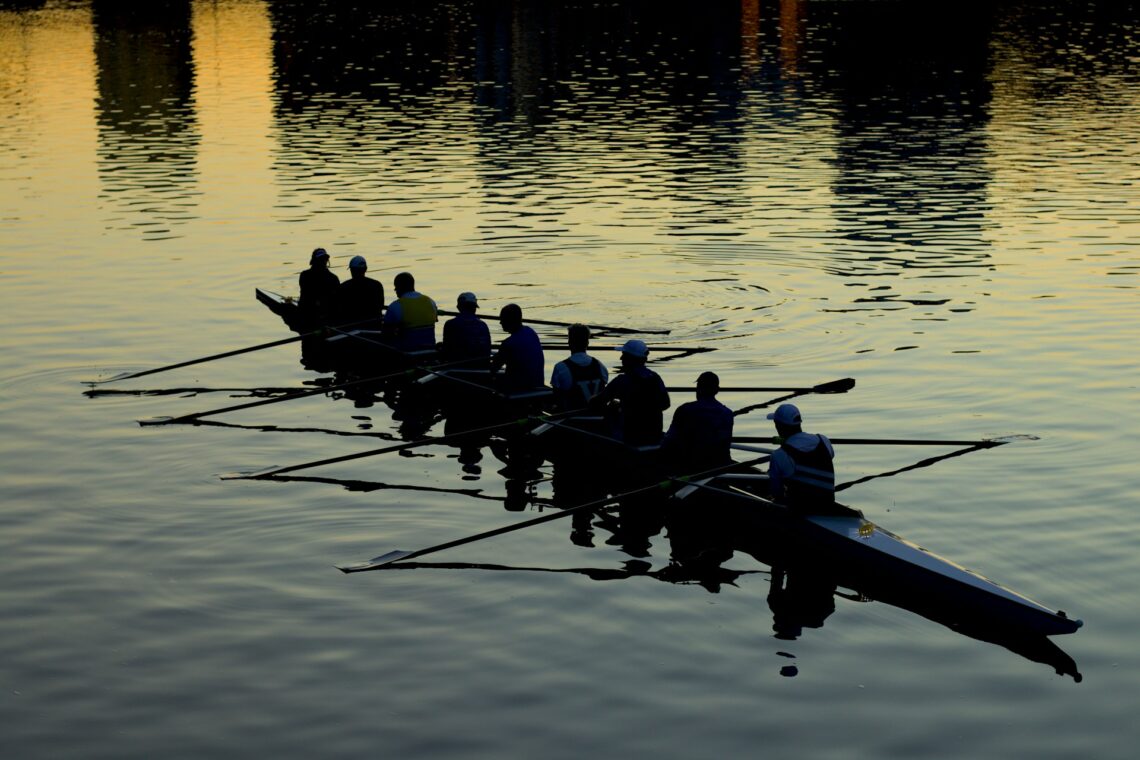
After ten years on the road — since leaving my rowing team near Noosa and tracing a trail through seventy countries — one truth keeps surfacing like the steady rhythm of oars slicing through still water: nature runs on cooperation. Not competition. Not conflict. Just cooperation — quiet, consistent, and life-sustaining.
As digital nomads, we often think we’re solo rowers out on a vast ocean, but look closer — every connection we make becomes part of the same crew. Each shared café table, coliving dinner, or coworking chat is another stroke that moves the boat forward.
Einstein once said, “Look deep into nature, and then you will understand everything better.” And the more I travel, listen, and observe, the more I see that the hidden law holding life — and remote work — together is cooperation.
The Quantum Side of Connection
I have a confession to make, I am obsessed with Quantum Physics but please note that I am not a scientist of any sort but I think we all look for scientific validation. So, in the quantum field — that mysterious sea of energy connecting everything — nothing exists in isolation. Every particle interacts, entangles, influences. Nobel laureate Niels Bohr described it simply: “Everything we call real is made of things that cannot be regarded as real.” Translation? We’re made of relationships. Nothing stands alone.
Even sunlight streaming through a palm leaf is a symphony of cooperative atoms. The whole universe hums with partnership. Just like in a rowing boat, the magic happens not when we compete for rhythm but when we sync — when we listen and move as one.
So it’s no surprise that business and community thrive on the same frequency. Behind every thriving brand, balanced team, or powerful collaboration lies a deep respect for this universal rhythm — cooperation over competition.
A World Obsessed with “Me”
Yet, as I scroll through social media or sit in airport terminals watching the rush of humanity, I can’t help wondering — when did we drift so far from the current? We glorify independence and individuality to the point of disconnection. Everyone’s striving to stand out, go faster, grow richer — often forgetting that nature doesn’t reward the lone wolf… it rewards the pack that works together.
Richard Feynman, the legendary physicist, hinted at it in his own poetic way: “Everything is connected to everything else.” That truth feels ancient and timeless.
We crave belonging because cooperation is our natural state. You can see it anywhere — bees pollinating flowers, trees sharing nutrients through their roots, or even two nomads sharing a Wi-Fi hotspot in a remote café in Bali. When we collaborate, we return to flow.
The Nomad’s Classroom of Cooperation
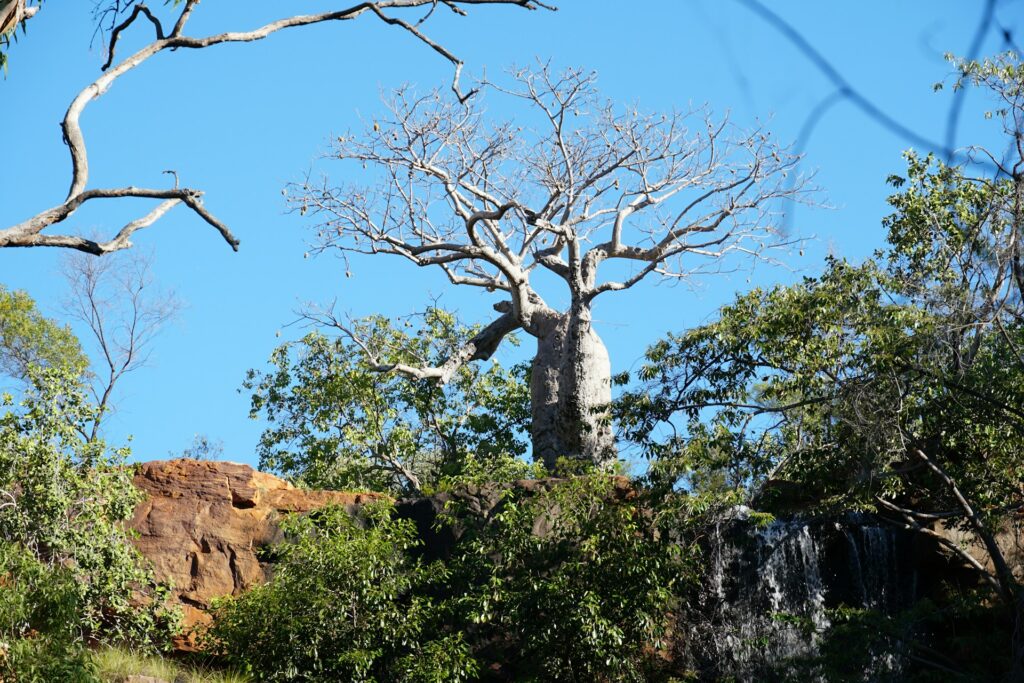
Travel became my favorite teacher. Under a boab tree in the outback years ago, a part Aboriginal local once told me, “If them bush bees don’t show up, it not be good.” Simple words. Deep meaning. Every creature, no matter how small, plays its part in keeping the world balanced.
From those early lessons to my life as a global nomad, I’ve found the same truth echoed in every border crossed and every friend made: no one rows this boat alone.
Each journey — each smile shared, each favor exchanged, each coworking day spent lifting someone else up — becomes a quiet act of cooperation. Life, like rowing, is about finding that rhythm between giving and receiving.
How to Row Together — In Life and Business
- Listen actively. In both friendships and work, true cooperation starts by hearing before speaking.
- Share credit generously. Success feels lighter when the whole team rows toward it.
- Stay curious. Ask how others do it. Even different opinions are opportunities to learn new strokes.
- Lead with empathy. A boat moves smoother when everyone feels seen and safe.
- Think “we,” not “me.” Whether pitching a client or helping a traveler find their way — shift from self-interest to shared interest.
Remember the words of the Dalai Lama: “When you practice gratitude, there is a sense of respect toward others.” Gratitude is the oar that keeps relationships gliding smoothly.
The Real Freedom: Interdependence
Maybe the purpose of this global nomad movement isn’t total freedom but freedom through interdependence — realizing we rise higher, row stronger, and travel farther together. In the end, the quantum universe, the forest floor, the ocean currents — and even your next remote business partnership — all hum the same silent message: cooperate, and you align with the rhythm of life itself.
Wherever you are — whether sipping coffee in Melbourne or catching Wi-Fi in Slovakia — remember that your presence ripples out. You are always part of someone’s crew.
As we drift toward the end of 2025, I’m heading back to the UK for a few months to reconnect with old friends and new projects. But wherever you go next, find those who want to row beside you. Help someone else stay afloat.
If you’re craving collaboration, consider joining a Nomad Experience with Nomad Stays — where community, connection, and shared flow are built into every destination.
Because beneath all the noise, nature’s message stays the same:
We rise by rowing together.



2 Comments
Phil Earnhardt
Very nice post. In “Anatomy Trains”, anatomist Tom Myers calls our body a network of three fractal, pervasive and *interdependent* networks: electrical (the brain and nervous system), chemical (the heart, organs, circulatory and lymphatic networks), and structural (the muscles, tendons, ligaments, and fascial network). Those three adjectives are not routinely used to describe our bodies. They certainly are not part of the cultural literacy of the average high school (or even a University) student.
“Stay curious” is excellent advice. I do something called “flow rope”. After several months, I noticed that my abductor digiti muscles in my hands were sore. Looking this up in Anatomy Trains, I learned this is the distal endpoint of our DBAL — the line of pronation in our arms. Aha! This made sense, because that exercise emphasizes and develops the spiraling lines. My conclusion was that that muscle had never been challenged and developed before. One might say it never pulled its weight in the eight, and I was never observant enough to notice beforehand.
Here’s the punch line: we have the same muscle in our feet; it has a similar [but oft-neglected] function. It got stronger. Over time, I noticed that my “flat feet” had started developing an arch. My now-pretty footprints were unrecognizable to me. That little abductor had found its place in the puzzle, and my entire body is now happier. If you ask, the AIs will tell you about weakness of *all* intrinsic foot muscles and “flat feet”, but they don’t prescribe any remedies. Systematically developing spiraling energies in our bodies is A Good Thing, and I found an easy way to do it. Interestingly, there’s very little discussion of biomechanics in the Flow Rope community; people just like the way it has them move and feel. #freedomthroughinterdependence is an excellent battle cry!
I also pay attention to quantum mechanics, but I find it difficult to find scientific principles from that field to directly influence my day-to-day living. It is a potent metaphor. That may change someday, but there is a rich body of hands-on influencable things from functional movement to keep me curious for now. Thank you for your thoughtful message. I’ve never been a rower, but I love your imagery.
Linda McCall
amazing information thank you!