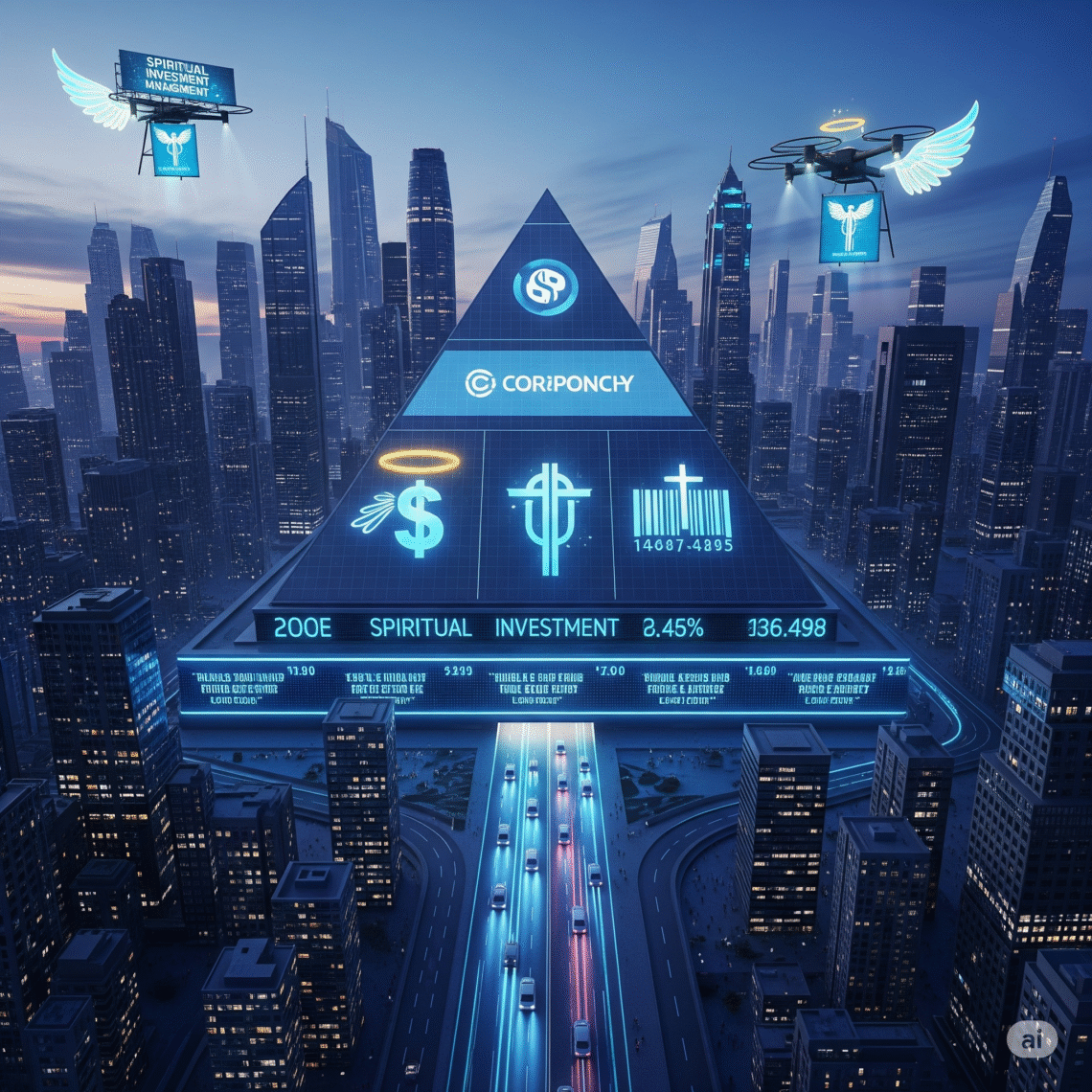
The Most Successful Business Model in the World? Religion.
What do you mean? (scratching your head)
When we talk about successful business models, we often think of Apple, Amazon, or Google. But if you take a step back and zoom out over centuries rather than financial quarters, you’ll see that the most enduring, influential, and wildly successful “business” model the world has ever seen is… religion.
Before you click away—hear me out. This isn’t about faith or belief. It’s about structure, strategy, scalability, and sustainability. Because when you strip back the theology, what’s left is a business model that has lasted thousands of years, reached billions of “customers,” scaled globally without digital tools, and influenced every sector of society—from politics to economics to culture.
Let’s break it down.
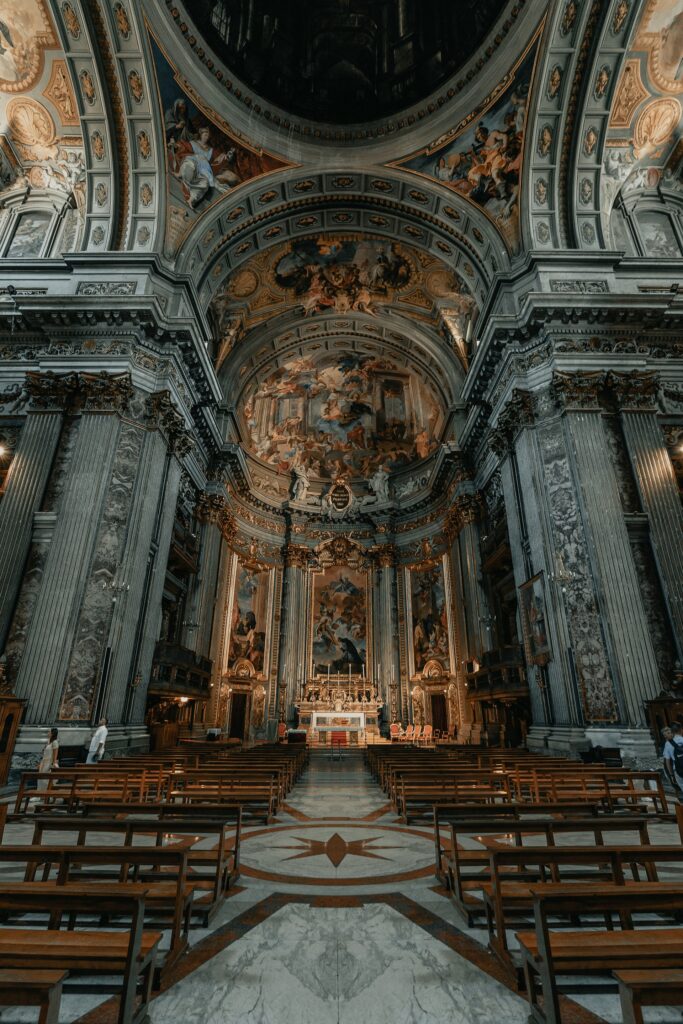
Picture from Unsplash
1. The Product: Meaning, Belonging, and Hope
At its core, religion offers something every human craves:
- A sense of purpose (Why am I here?)
- A clear identity (Who am I?)
- A community (Where do I belong?)
- A path forward (What should I do?)
- And a vision of the future (What happens next?)
Compare this to modern brands: Apple sells you identity and status. Nike sells you purpose and motivation. But religions have been selling these emotional intangibles for thousands of years.
They don’t sell a product—they sell a story. And not just any story—one you can live inside, one that makes you feel like your life matters.
2. The Branding: Symbols, Rituals, and Storytelling
Religions mastered branding long before marketing agencies existed.
- Logos? Think of the cross, crescent moon, Om, or Star of David.
- Taglines? “Love thy neighbor.” “There is no god but God.” “Do unto others…”
- Brand Story? Compelling origin stories with clear heroes, villains, challenges, and triumph.
They also used rituals to build habits—daily prayer, weekly gatherings, seasonal festivals. Rituals are the original customer retention strategy.
Modern business equivalents?
- Apple has its keynote launches (ritual).
- CrossFit has WODs and box culture (community ritual).
- Starbucks has your “usual” order and cup name (personal ritual).
Religions knew: Habits create loyalty.
3. The Distribution: Scalable Systems
Religions scaled without ads, social media, or VC funding. How?
They built decentralized systems with local leadership, repeatable processes, and consistent messaging.
Examples:
- The Catholic Church has parishes, priests, bishops—structured like a franchise.
- Buddhism spread via monasteries and teacher-student lineages.
- Islam used scholars, imams, and mosques to replicate learning and practice across continents.
Modern business translation: franchises, brand ambassadors, influencers, and licensing models.
4. The Loyalty Program: Community & Identity
What makes someone stick with a brand? A sense of belonging.
Religions create:
- Shared language (chants, prayers, terminology)
- Shared values (ethics, commandments, teachings)
- Shared rituals (fasting, feasting, worship)
- Cultural capital (you belong to something bigger)
It’s not just belief—it’s tribal identity.
Sound familiar?
- Harley-Davidson riders wear the brand.
- CrossFitters speak a language outsiders don’t understand.
- Apple fans line up for hours for new products they don’t need.
Religions were the original tribes.
5. The Expansion Strategy: Evangelism
No one does growth like religions.
- Christianity sent out missionaries.
- Islam spread through trade and conquest.
- Buddhism spread through monks and scholars.
Each had a strategic go-to-market plan.
Today, we call this:
- Sales teams.
- Affiliate marketing.
- Brand ambassadors.
Religions created network effects long before Silicon Valley.
6. The Revenue: Donations, Tithes(one tenth of annual produce or earnings, formerly taken as a Tax), and Value Exchange
Religions have survived financially for centuries because they created value and invited exchange—not just monetarily, but spiritually.
- Tithes and offerings function like subscriptions.
- Donations are voluntary, but culturally expected.
- Festivals and holidays often drive economic activity.
Modern equivalent: Patreon, freemium models, community-supported platforms.
People don’t just pay for the “product”—they pay to be part of something meaningful.
Modern Parallels: Religion in Business Today
The most successful companies borrow directly from religious playbooks.
| Religion | Modern Equivalent |
|---|---|
| Church (community) | Brand tribe or fandom |
| Rituals | Customer journeys & habits |
| Evangelism | Influencer & referral marketing |
| Symbols | Logos and icons |
| Sacred texts | Brand manifesto or mission statement |
| Tithes | Subscriptions, crowdfunding, loyalty programs |
Example:
- Apple stores feel like modern cathedrals.
- CrossFit gyms operate like local churches.
- Tesla has Elon as its charismatic prophet, a bold vision of the future, and a tribe of believers.
Why It Still Works Today
Religion’s model works because it taps into the deepest human drivers—meaning, connection, story, and transformation.
People don’t want just a product. They want to be part of a movement.
They want identity, ritual, and a reason to believe.
And in a fragmented, fast-paced world, the businesses that win are the ones that create meaning, not just transactions.
Final Thoughts: Business as Belief
Whether or not you follow a religion, the genius of their models can’t be denied. They’ve created scalable, loyal, value-driven systems that span thousands of years.
So the next time you’re building a business, ask yourself:
- What is your “gospel”? (Your message or mission)
- Who is your tribe?
- What rituals are you creating?
- How are you spreading your story?
- What do people believe when they buy from you?
Because belief is the ultimate currency—and religion has been trading in it for millennia.
“People don’t buy what you do, they buy why you do it.”
— Simon Sinek
And religion? They’ve been selling the “why” since the dawn of time.
By Linda A. McCall – cofounder of Business in Bare Feet and Nomad Stays, digital nomad, startup mentor, global citizen


You May Also Like

How Digital Nomads Can Start Their Day Right: 3 Morning Habits That Change Everything

How to Stay Relevant Through Simple Innovation and Thrive Through Change